



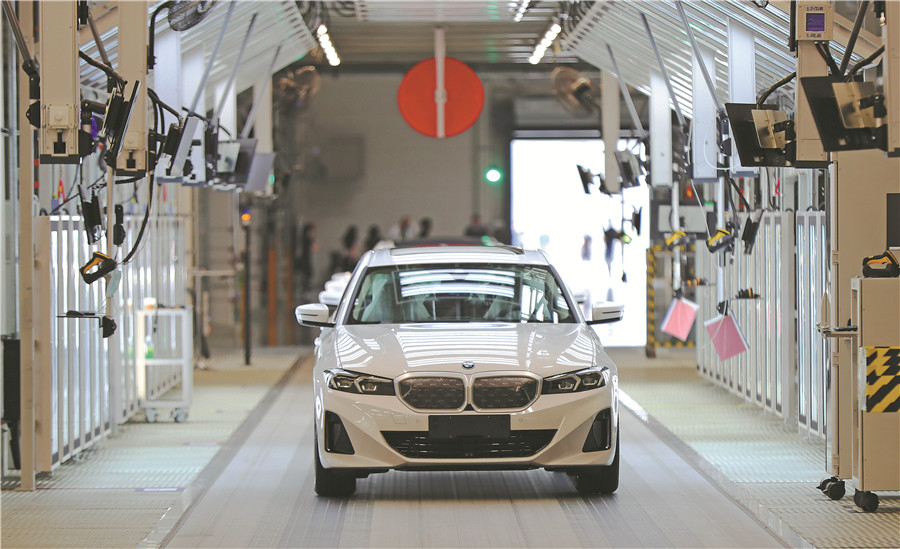
7月11日,商務部部長王文濤會見德國機械設備制造業聯合會主席霍伊斯根、德國思愛普公司首席執行官柯睿安。王文濤表示,中國正全面推進中國式現代化,必將為包括德國在內的各國企業提供更廣闊發展空間。中德互為重要的經貿合作伙伴,互信是中德合作的基礎。“去風險”不應政治化和意識形態化,更不能導致脫鉤和“去中國化”。政府應將“去風險”主導權交還給企業,
霍伊斯根贊同“去風險”應由企業自主評估決策,并稱“脫鉤斷鏈”不符合德企利益。柯睿安則表示,“思愛普反對“脫鉤斷鏈”,“下一步思愛普將繼續加大對華研發投入”。
The Chinese path to modernization will provide broader growth opportunities for German companies and the idea of "de-risking" should not be politicized or ideologized, said China's top commerce official.
商務部部長王文濤表示,中國正全面推進中國式現代化,必將為包括德國在內的各國企業提供更廣闊發展空間。“去風險”不應政治化和意識形態化。
During his meeting with Karl Haeusgen, president of German Mechanical Engineering Industry Association (VDMA) and Christian Klein, CEO of German software and cloud company SAP SE in Beijing on Tuesday, Chinese Commerce Minister Wang Wentao said the idea of "de-risking "should not lead to "decoupling "and "de-Sinicization".
7月11日,商務部部長王文濤在北京會見德國機械設備制造業聯合會主席霍伊斯根、德國思愛普公司首席執行官柯睿安。他表示,“去風險”不能導致脫鉤和“去中國化”。
"De-risking" is a term put forward by European Commission President Ursula von der Leyen, who in March called for reducing dependency on Chinese raw materials and technologies.
今年3月,歐盟委員會主席烏蘇拉·馮德萊恩提出“去風險”概念,并呼吁歐盟各國減少對中國的原材料和技術依賴。
Wang reiterated that companies are market players, and they know best how to de-risk. The government should return this right to businesses as arbitrary intervention will only bring greater risks.
王文濤表示,企業是市場主體,最知道如何去風險,政府應將“去風險”主導權交還給企業,任意干預反而會帶來更大風險。
As mechanical equipment manufacturing is a key industry for China-German economic and trade cooperation, Wang urged businesses on both sides to further consolidate the existing cooperation foundation and tap cooperation potential in new fields such as green low-carbon, digital economy and sustainable development.
王文濤強調,機械設備制造業是中德經貿合作的重點行業,雙方應進一步鞏固現有合作基礎,挖掘綠色低碳、數字經濟、可持續發展等新領域合作潛力。
Highlighting that "decoupling" is not in the interest of German companies, Haeusgen said the move of "de-risking "should be evaluated and decided independently by businesses.
霍伊斯根強調,“脫鉤斷鏈”不符合德企利益,贊同“去風險”應由企業自主評估決策。
He said VDMA's member companies support the governments of China and Germany to strengthen communication and dialogue, and create favorable conditions for cooperation between their companies.
霍伊斯根表示,支持德中兩國政府加強交流對話,為雙方企業開展合作創造便利條件。
Similar views were expressed by Klein.
柯睿安也發表了類似的觀點。
"SAP opposes 'decoupling' and other related activities. The company will actively participate in building a more resilient global supply chain, call for strengthening international cooperation and formulating unified global data security rules," he said.
他表示:“思愛普反對‘脫鉤斷鏈’,積極參與打造更具韌性的全球供應鏈,呼吁加強國際合作,制定全球統一的數據安全規則。”
In addition to increasing its investment in research and development in China, the German executive said that SAP will continue to provide better products and services for its business partners in the country.
下一步思愛普將繼續加大對華研發投入,為在華企業客戶提供更優質的產品和服務。
The German Chamber of Commerce in China said more than half of the 288 businesses that participated in a survey in May said they plan to invest more in China over the next two years. The study was published in early June and reflects the business outlook of German companies in China.
中國德國商會6月初發布的調查報告顯示,有半數以上計劃在未來兩年內增加在中國的投資。此次調查于5月中旬展開,有288家在華德企參與。報告反映了德國企業在華業務前景。
Jens Hildebrandt, executive director and board member of the German Chamber of Commerce in China, said that geopolitics has a profound effect on companies on the ground, prompting them to drive forward localization and diversification strategies as risk management measures. German companies will sustain investments in the Chinese market as a means of maintaining a competitive edge and harnessing their full potential.
中國德國商會執行董事兼董事會成員晏思表示,地緣政治對企業有著深遠的影響,促使德企將推進本土化和多元化戰略作為風險管理措施。德國企業將繼續堅持在中國市場投資,從而保持競爭優勢和充分挖掘潛力。
German investment in China reached $2.57 billion in 2022, soaring 52.8 percent year-on-year, said China's Ministry of Commerce.
商務部數據顯示,2022年德國對華投資25.7億美元,同比增長52.8%。
After it ordered a rethink on how Germany interacts with China last year, the German government will pass its long-promised China strategy on Thursday, Reuters reported.
據路透社報道,2022年,德國政府下令反思如何與中國的關系,并將于本周四(7月13日)通過其承諾已久的中國戰略。
German Chancellor Olaf Scholz has repeatedly emphasized "de-risking" Germany's relationship with China, reducing dependency on the country gradually rather than decoupling from the Chinese market.
德國總理朔爾茨曾多次強調,德國的對華“去風險”是逐步減少對中國的依賴,而非與中國市場“脫鉤”。
(編輯:董靜 翻譯:李一凡)






 掃碼下載
掃碼下載 中文網微信
中文網微信